1. Define your type of use
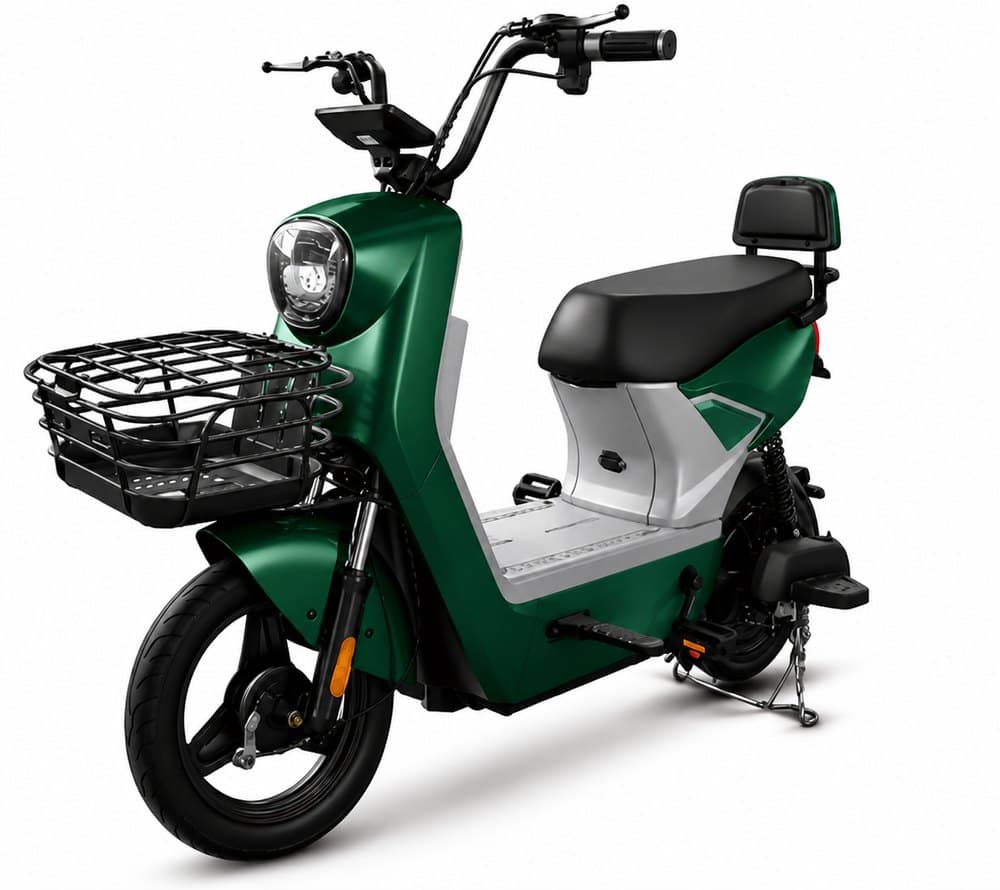
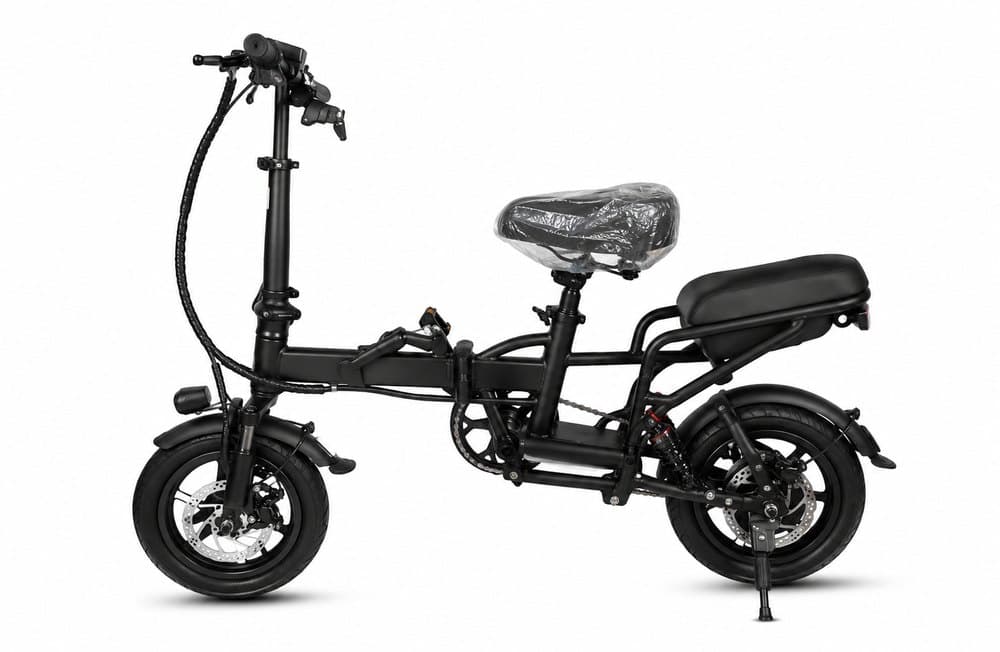
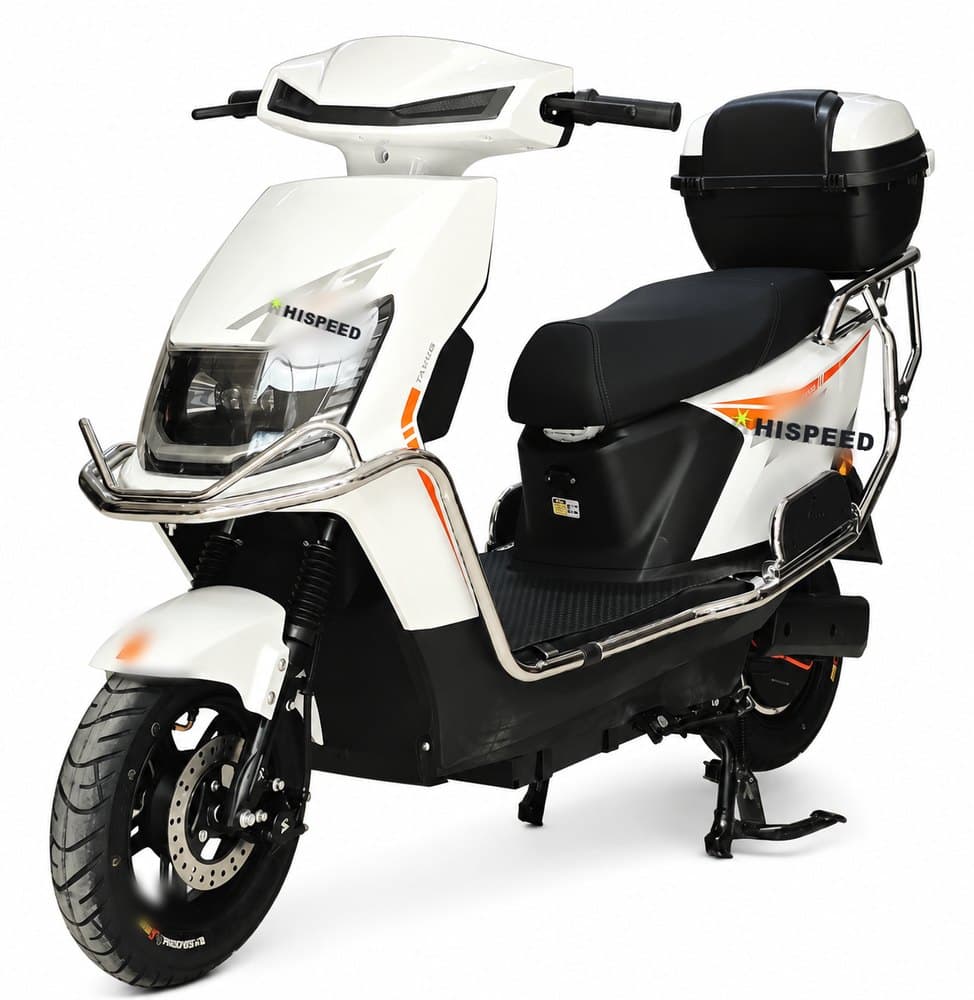
First, think about your route: how many kilometres a day, whether there are hills, whether you need to carry cargo or fold the bike for public transport. That use points to the ideal category — urban, folding, fat tire, trail or trike.
2. Battery and range
The battery is the heart of the e-bike. The greater the capacity (measured in Wh), the greater the range. For urban use, models of 40 to 80 km per charge cover most commutes.
Prefer quality lithium batteries and check whether there are spares and warranty in Brazil — that protects your investment long term.
3. Motor: power and performance
More powerful motors help on hills and with more cargo. For a flat city, a balanced motor already delivers great performance; for terrain and climbs, a more robust model is worth it.
4. Brakes, tyres and comfort
- Brakes: good brakes are essential for safety, especially with the speed of the assist.
- Tyres: wider ones bring stability; fat tire models handle any surface.
- Comfort: seat, suspension and riding position make a difference day to day.
5. Warranty and support in Brazil
Buying from a brand with support, parts and warranty in Brazil avoids headaches. HISPEED offers guidance before purchase and after-sales support so you ride with peace of mind.
Frequently asked questions
What is the ideal range for an electric bike?
For daily urban use, between 40 and 80 km per charge covers the vast majority of trips. Longer routes call for higher-capacity batteries.
Is a more powerful motor always better?
Not necessarily. Powerful motors help on hills and with cargo, but for a flat city a balanced motor already delivers great performance with more efficiency.
How do I know if the battery is good?
Prefer quality lithium batteries and confirm the brand offers warranty and spares in Brazil. That protects your range and your investment.