Price ranges in 2026
The Brazilian market has options for every budget. Broadly, prices break down like this:
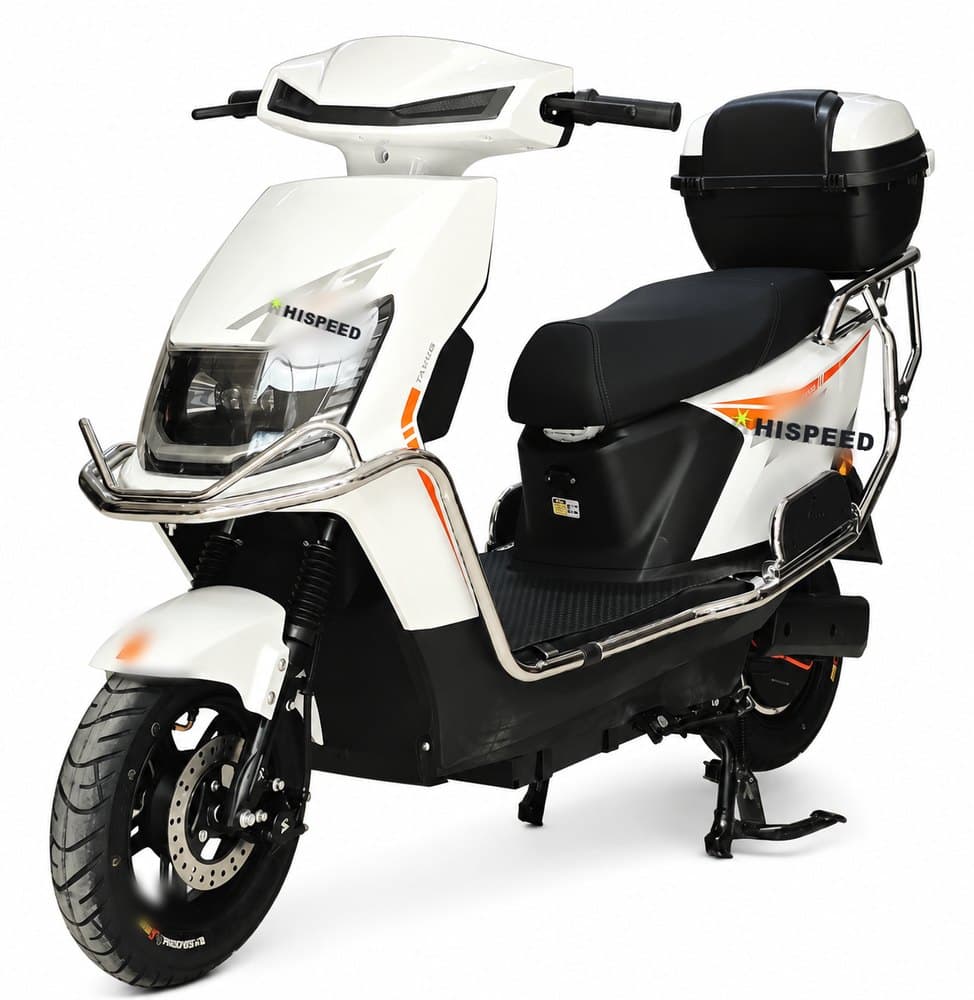
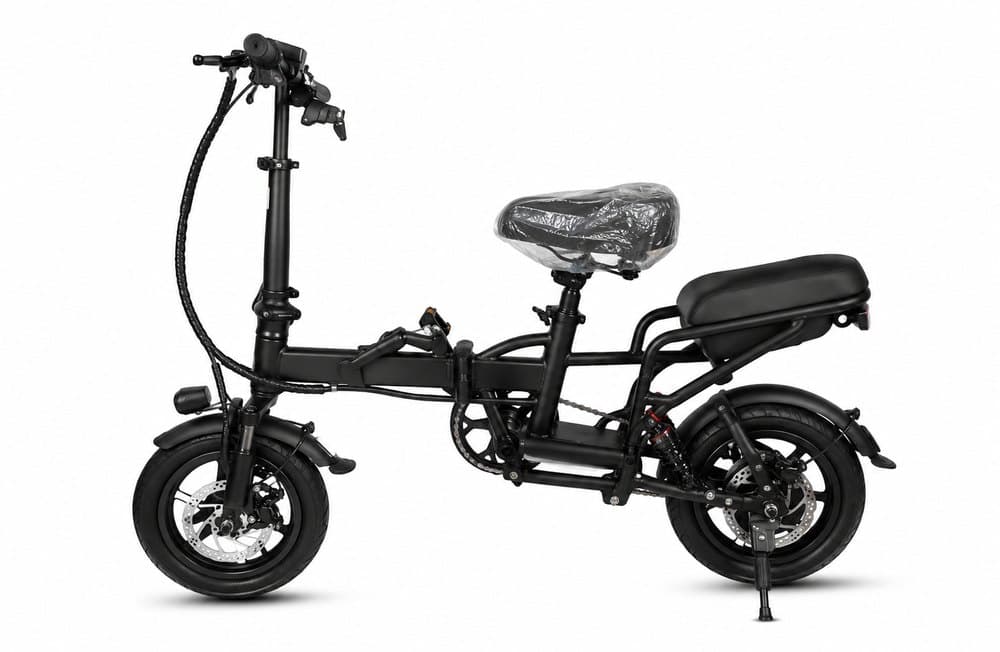
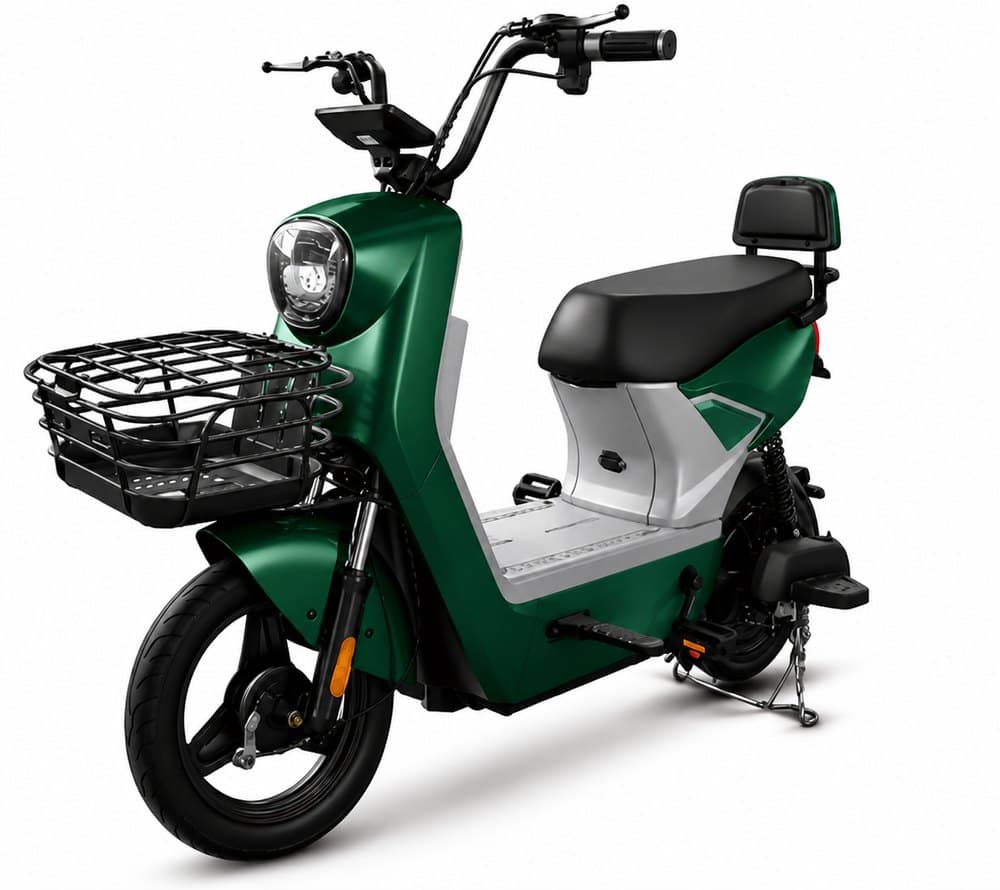
- Folding and compact models: entry-level options, ideal for public transport or storing in an apartment.
- Urban bikes with a higher-range battery: the sweet spot between price, comfort and daily reach.
- Trail models (electric MTB) and mopeds: higher prices, with reinforced motor and suspension for demanding terrain and loads.
What pushes the price up or down
- Battery capacity: the greater the range, the higher the cost of the lithium cell.
- Motor power and type: stronger motors with torque sensors cost more.
- Brakes, suspension and components: better-quality parts raise price and durability.
- Warranty and support in Brazil: local support and spare parts make a difference to total cost.
Purchase price vs real cost
The sticker price is only part of the equation. Add the monthly savings on fuel, parking and apps, and an e-bike usually pays for itself in months, not years.
At HISPEED we accept Pix, boleto and card in up to 10 instalments, bringing the ideal model within reach without straining your budget.
How to choose on value for money
Instead of looking only at the lowest price, define the range you need per day and your type of route. An urban model with around 60 km of range is usually the best value for most Brazilians who use the bike for work and errands.
Frequently asked questions
Is a cheap electric bike worth it?
It depends. Entry models handle short trips, but check the battery quality and whether there is warranty and parts in Brazil — that's what avoids future headaches.
Can I pay in instalments?
Yes. HISPEED accepts Pix, boleto and card in up to 10 instalments, making the ideal model easier to reach.
What range is ideal?
For daily urban use, models between 40 and 80 km of range cover the vast majority of commutes.